

September 21, 2026
Dental Health
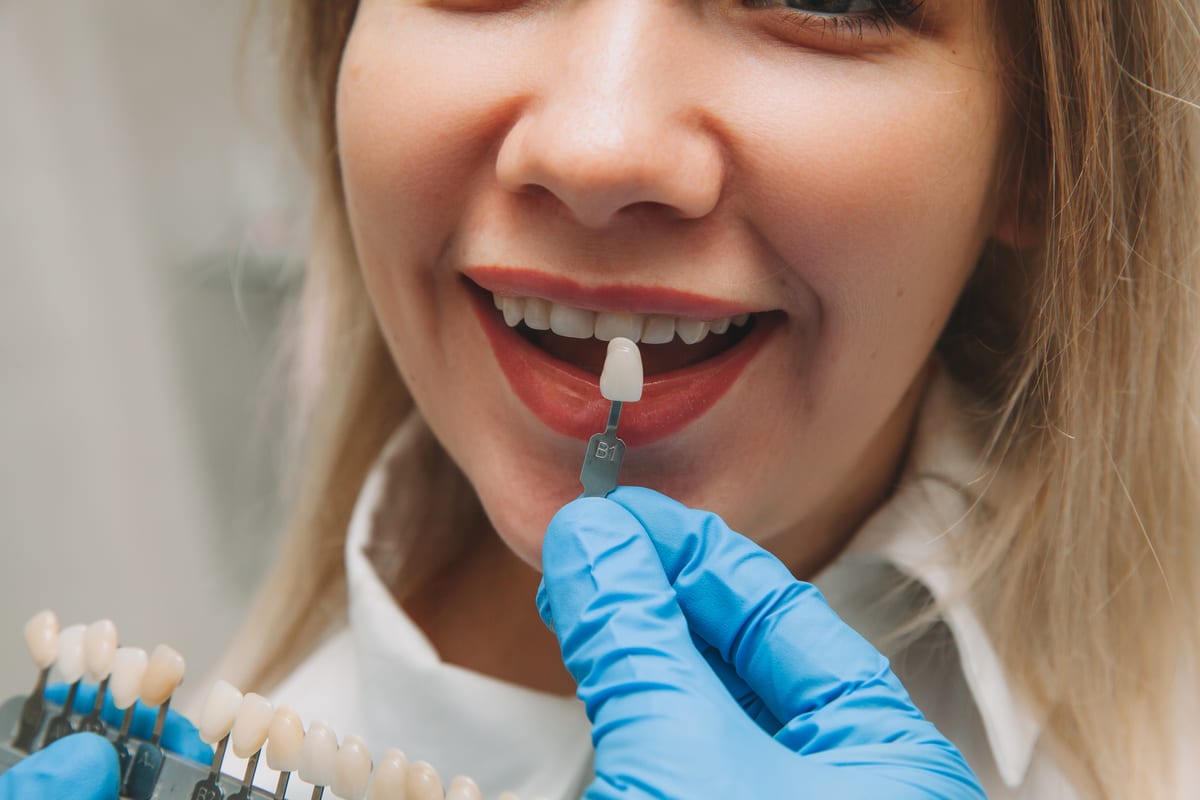
Veneers are one of the most talked-about treatments in Cosmetic Dentistry Vernon patients ask about. They promise a transformed smile — and often deliver one. But veneers won’t fix everything: what they actually solve in Vernon is more specific than most people realize. Understanding that distinction helps you make a confident, informed decision about your own smile.
At Dr. Jay Family Dental, Dr. Krithika Jayaprakash takes time to explain exactly what veneers can and cannot do. This article breaks it all down in plain language. No guesswork, no overselling — just clear answers.
What Veneers Actually Are (And What They Are Not)
A veneer is a thin shell of porcelain or composite resin. It bonds directly to the front surface of a tooth. Think of it like a custom-fitted cover that changes the tooth’s appearance without removing much of the natural structure.
Veneers are not crowns. A crown wraps around the entire tooth. A veneer only covers the visible front surface. This makes veneers a more conservative option for cosmetic concerns.
They are also not fillings, implants, or orthodontic devices. Each of those serves a completely different purpose. Veneers exist specifically to improve the look of teeth that are otherwise structurally healthy.
Here is a quick summary of what veneers are made of and how they work:
- Porcelain veneers — durable, stain-resistant, and highly natural-looking
- Composite resin veneers — applied in a single visit, more affordable, slightly less durable
- Thickness — typically 0.5 to 1 millimeter, requiring minimal enamel removal
- Bond strength — adhered with dental cement for a lasting, secure fit
- Lifespan — porcelain veneers often last 10 to 15 years or more with proper care
What Veneers Actually Solve in Vernon
Veneers excel at fixing cosmetic problems on the front surface of teeth. They are especially effective when multiple concerns appear on the same tooth. Here are the issues veneers genuinely address:
- Permanent staining — discoloration that teeth whitening cannot remove, such as stains from tetracycline or fluorosis
- Chips and cracks — minor structural damage that affects appearance but not tooth health
- Uneven or worn edges — teeth that appear jagged, short, or mismatched in length
- Gaps between teeth — small spaces that affect smile symmetry
- Slightly misshapen teeth — teeth that appear too narrow, too small, or oddly proportioned
- Mild crowding or minor misalignment — subtle positioning issues that do not require braces
Many Vernon patients choose veneers because they want to address several of these concerns at once. One treatment can dramatically change the overall appearance of a smile. That is part of what makes veneers so popular in cosmetic dentistry.
Dr. Jayaprakash evaluates each patient individually. Not every cosmetic concern is best solved with veneers. The goal is always to recommend the right treatment — not just the most well-known one.
What Veneers Cannot Fix
This is the part that surprises many patients. Veneers are powerful, but they have real limitations. Knowing those limits helps you avoid disappointment and plan the right care.
Veneers cannot fix active tooth decay. If a tooth has a cavity, that must be treated before any veneer is placed. Placing a veneer over decay would trap the problem and make it worse over time.
Veneers cannot treat gum disease. Healthy gums are a requirement before any cosmetic work begins. Inflamed or infected gum tissue must be addressed first. Skipping this step puts both the veneer and the tooth at risk.
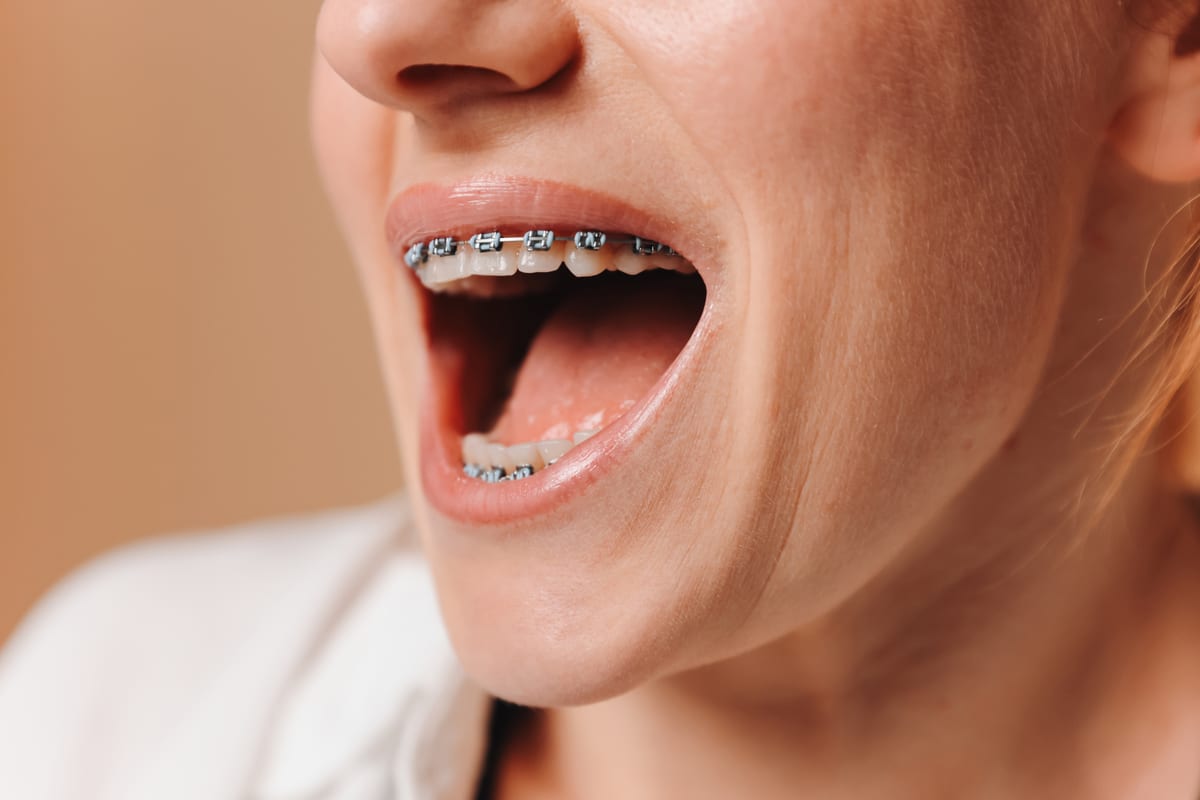
Veneers also cannot straighten severely misaligned teeth. If your bite is significantly off or teeth are noticeably crowded, you likely need Orthodontics Vernon first. Veneers placed on poorly aligned teeth may not look natural and could wear down unevenly.
Additionally, veneers are not ideal for people who grind their teeth heavily. Bruxism places excessive force on the thin porcelain shell. Without a night guard or treatment for grinding, veneers may chip or fail prematurely.
Finally, teeth with significant structural damage or very little enamel remaining may not support a veneer at all. In those cases, a crown or other restoration is the better choice.
How Dr. Jayaprakash Evaluates Veneer Candidates in Vernon
Not everyone who wants veneers is a good candidate right away. Dr. Jayaprakash follows a careful evaluation process before recommending any treatment. This protects your oral health and your investment.
The consultation begins with a full oral health review. She checks for decay, gum health, bite alignment, and enamel thickness. This gives a complete picture of what is actually going on before any cosmetic planning begins.
Next, she discusses your smile goals. What bothers you most? What outcome are you hoping for? Understanding your priorities helps shape a treatment plan that actually delivers what you want.
If veneers are the right fit, she explains the process step by step. If another treatment would serve you better, she will tell you honestly. The goal at Dr. Jay Family Dental is always long-term results — not a quick cosmetic fix.
Some patients need a small amount of prep work before veneers are placed. Others are ready to move forward right away. Either way, you leave the consultation with a clear plan and realistic expectations.
Conclusion: Making the Right Choice for Your Smile
Veneers are a genuinely effective solution for many cosmetic concerns. They can brighten, reshape, and unify a smile in ways that few other treatments match. But they are not a universal fix, and they work best when placed on healthy teeth for the right reasons.
Understanding what veneers actually solve — and what they cannot — puts you in a much stronger position as a patient. You can ask better questions, set realistic expectations, and feel confident in the path forward. At Dr. Jay Family Dental in Vernon, CT, Dr. Krithika Jayaprakash is here to guide that conversation with honesty and care. Book Now to schedule your appointment with our team.
Frequently Asked Questions
Are veneers permanent?
Veneers are considered a permanent treatment because a small amount of enamel is removed during preparation. That enamel does not grow back, so the tooth will always need a veneer or crown going forward. The veneers themselves are not permanent — they typically last 10 to 15 years and can be replaced when needed.
Do veneers look natural?
Yes, modern porcelain veneers are designed to closely mimic the light-reflecting properties of natural tooth enamel. Dr. Jayaprakash works with each patient to match the shape, shade, and size of veneers to their surrounding teeth. Most people cannot tell the difference between a well-placed veneer and a natural tooth.
Is the veneer process painful?
Most patients experience very little discomfort during the veneer process. Local anesthesia is used during tooth preparation to keep you comfortable. Some mild sensitivity after the procedure is normal and typically fades within a few days.
Can veneers replace teeth whitening?
Veneers can cover stains that teeth whitening cannot remove, such as deep intrinsic discoloration. However, for surface stains on otherwise healthy teeth, whitening is often a simpler and more cost-effective solution. Dr. Jayaprakash will recommend the right option based on the type and severity of your staining.
How do I care for veneers after they are placed?
Caring for veneers is straightforward. Brush twice daily, floss regularly, and attend routine dental cleanings. Avoid biting hard objects like ice or fingernails, and wear a night guard if you grind your teeth. With proper care, your veneers can last well over a decade.
Recent Posts
September 21, 2026
Veneers Won’t Fix Everything: What They Actually Solve
September 14, 2026
Your First Orthodontic Appointment: What to Expect and How to Prepare

September 7, 2026
Your First Cosmetic Dental Consultation: What to Expect
August 24, 2026
Keep Your Smile Bright: The Real Maintenance Plan After Whitening
August 17, 2026