

December 10, 2025
Teeth Whitening
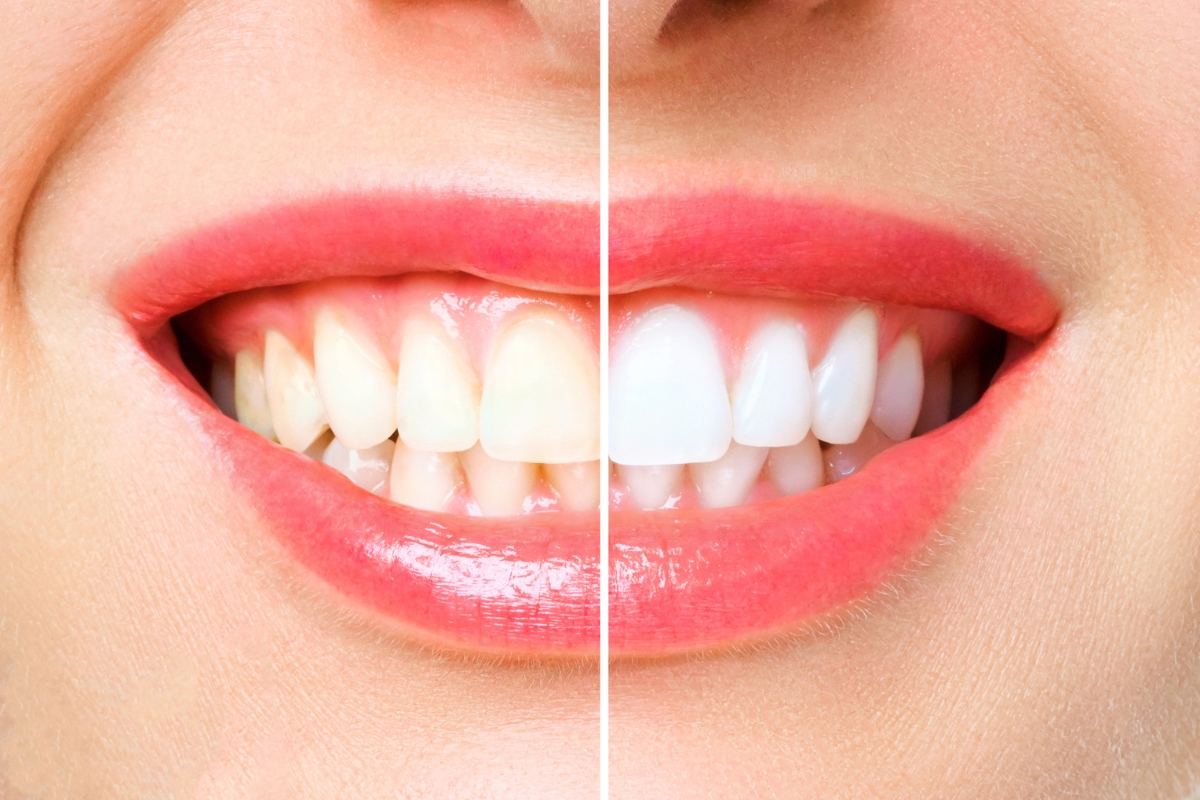
With each passing year, our teeth will naturally lose some of the brightness they once had, but it’s by no means too late for a smile renewal. Teeth discoloration can be a very common problem for older adults, and it can result from a number of reasons related to the aging process and the kind of food people with traditional eating habits consume.
However, there’s no reason for people to lose their youthful smile because there are a number of methods on how to whiten teeth safely.
Significance of Teeth Whitening in the Elderly
A brighter smile can greatly raise confidence levels and make socializing easier. Elderly individuals feel reassured when they have a whiter smile to show the world. The purpose of teeth whitening isn’t only aesthetic. This procedure for senior individuals helps them have a better smile and also encourages them to take proper care of their teeth.
When senior citizens have a bright smile, this becomes a symbol that they are taking care of their health.
Common Causes of Tooth Discoloration in Seniors
With aging, the enamel on the teeth thins out, and the layer underneath, which is yellowish-colored dentin. This leads to yellowing or dulling of the teeth. Lifestyle choices also affect the staining.
Some common causes include coffee, tea, red wine, and habits such as smoking. Some medications and health issues may also affect the staining. Elderly people on medicines or suffering from any health ailments tend to experience an increase in yellowing because they would also require teeth whitening as a part of their oral care routine.
Safe Whitening Options for Seniors
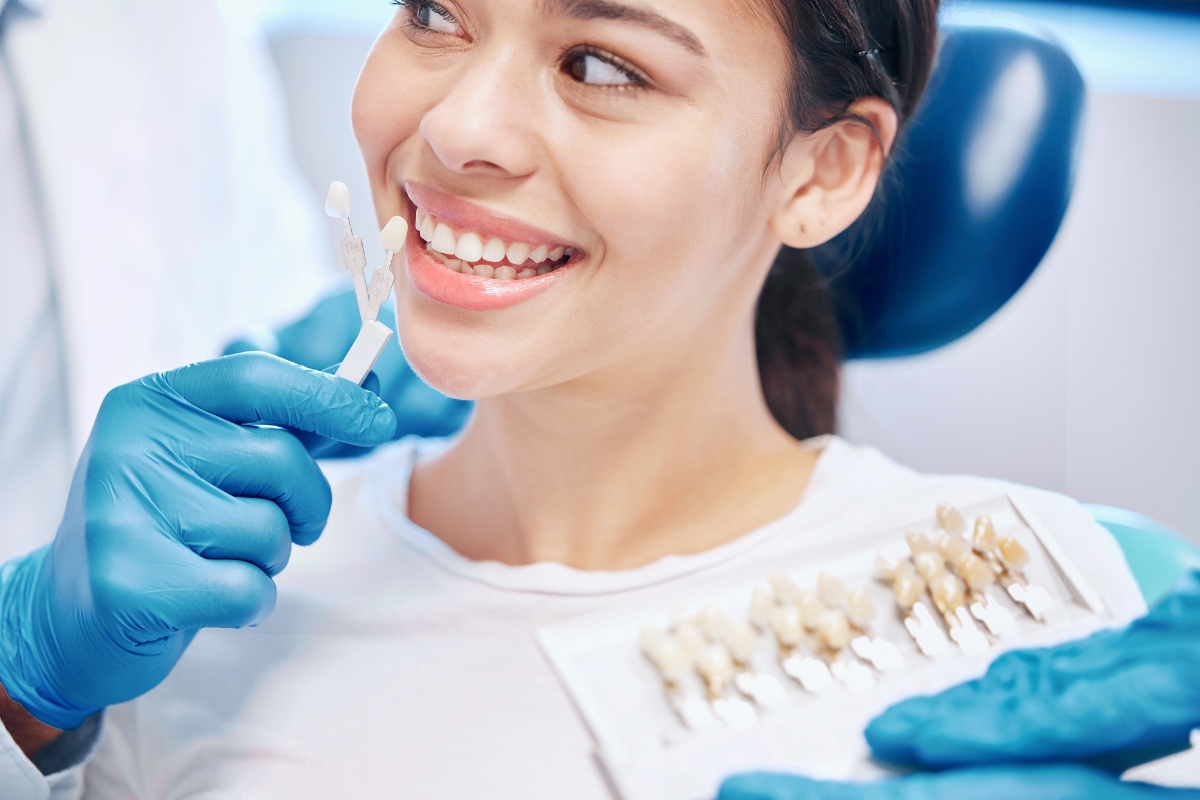
Professional Teeth Whitening: Dentist-supervised teeth whitening in Vernon, including in-office teeth whitening, is completely safe and effective. Such procedures involve the use of stronger concentrations of the bleach, which work much faster and better. In-office treatment is also customized according to the individual requirements of the senior, without causing any harm to sensitive teeth and gums.
At-Home Whitening Products: Whitening strips, gels, and tooth pastes available at home can also serve as a cost-effective and promising option. These products are approved by dentists and are made to offer a gentle whitening solution without causing any sensitivity or harm to teeth.
Natural Remedies: Some elderly people may opt for natural bleaching techniques, like oil pulling and using baking soda. Natural techniques may be painless for seniors’ teeth, but they do not work that well compared to other options. However, seniors need to consult dentists before using natural remedies, especially when they’re dealing with seniors who may be experiencing pain due to teeth sensitivity.
Considerations Before Whitening
Prior to engaging in any procedure for whitening the teeth, seniors must consult their dentist. For sensitive teeth or gums or for individuals with any existing dental problems, professional advice prevents any harm that may result from the procedure. Using sensitive tooth or gum whitening products prevents sensitive reactions, which may result from the use of whitening materials.
Another important consideration is setting appropriate expectations, since whitening may not be an effective way to deal with discoloration caused by age or certain health conditions.
Seniors’ Tips for a Brighter Smile
Good Oral Hygiene Practices: Twice daily brushing, flossing, and regular check-ups are essentials for keeping a bright smile. Also, good oral hygiene is a prerequisite for effective whitening agents. Fluoride toothpaste should always be preferred while whitening to avoid further discoloration.
Healthy Diet: Crunchy fruits and vegetables, for example, apples and carrots, can cleanse the teeth naturally by removing any discoloration, helping to ensure one has a white smile. Refrain from consuming foods with high sugar content, which can cause plaque to form.
Touch-Ups: Whitening treatments can be used on a regular touch-up basis to maintain the results of your whitening treatments. This will keep your teeth looking whiter for longer.
Teeth Whitening is a safe and effective means to bring back a youthful smile to seniors. It is possible to get a bright and confident smile at any age with proper teeth whitening and dental care. It is always best to consult a dentist to know how to go about teeth whitening.
Schedule a consultation with us today to bring back the shine to your smile!
FAQs
Should seniors get teeth whitening before or after a dental cleaning?
It’s best to get teeth whitening after a dental cleaning to ensure stains are removed before whitening treatments.
Can teeth whitening help with stained teeth from medications?
Teeth whitening may help with mild stains, but severe discoloration from medications may require more specialized treatments.
How often can seniors use whitening toothpaste?
Whitening toothpaste can be used daily, but it’s important to ensure it’s gentle and non-abrasive.
What foods and drinks should seniors avoid after whitening?
Avoid coffee, tea, red wine, berries, and other stain-causing foods and drinks.
Are there whitening options for seniors with health conditions?
Seniors with certain health conditions should consult their dentist before whitening to ensure safety.
Recent Posts
February 20, 2026
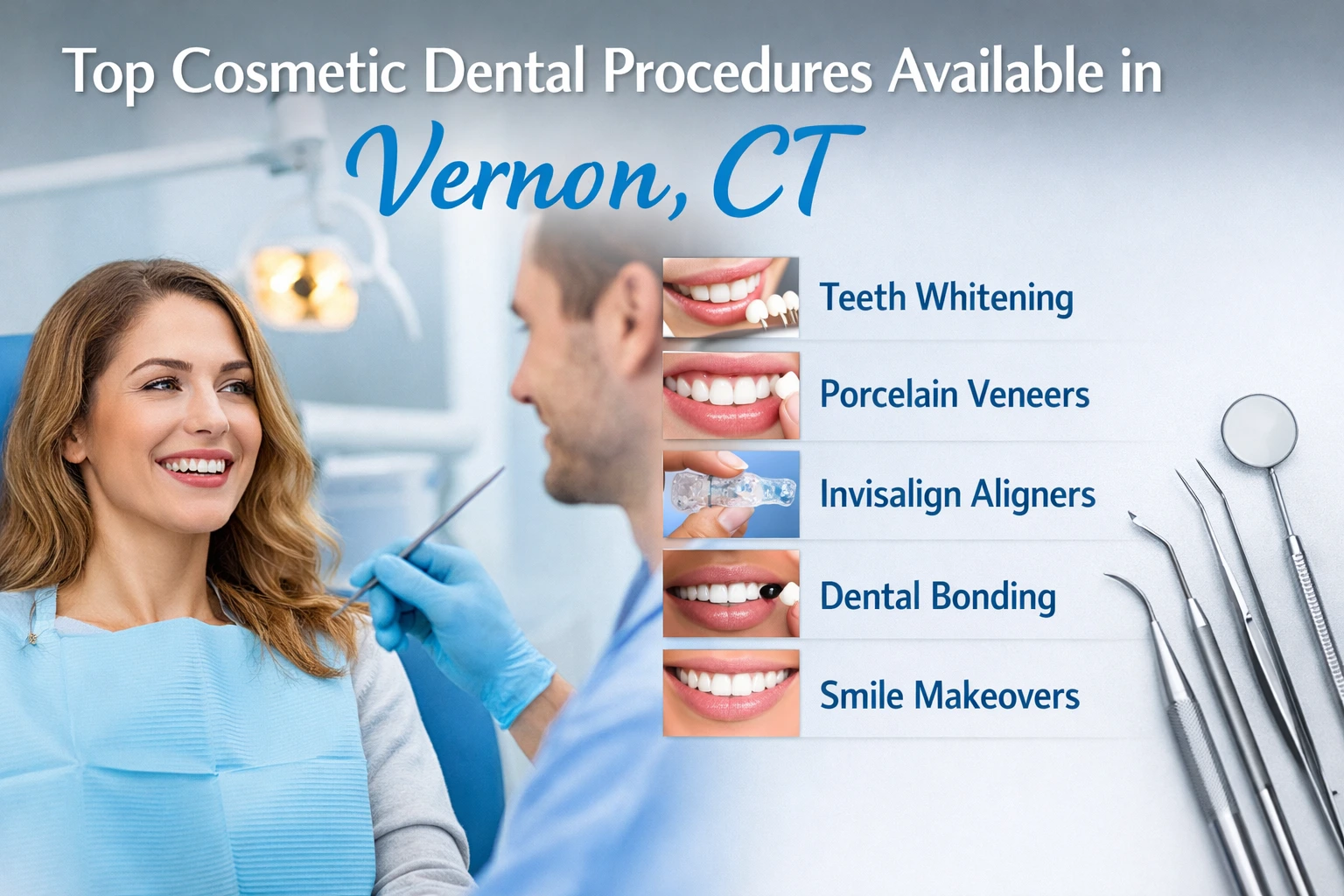
Top Cosmetic Dental Procedures Available in Vernon, CT
February 16, 2026
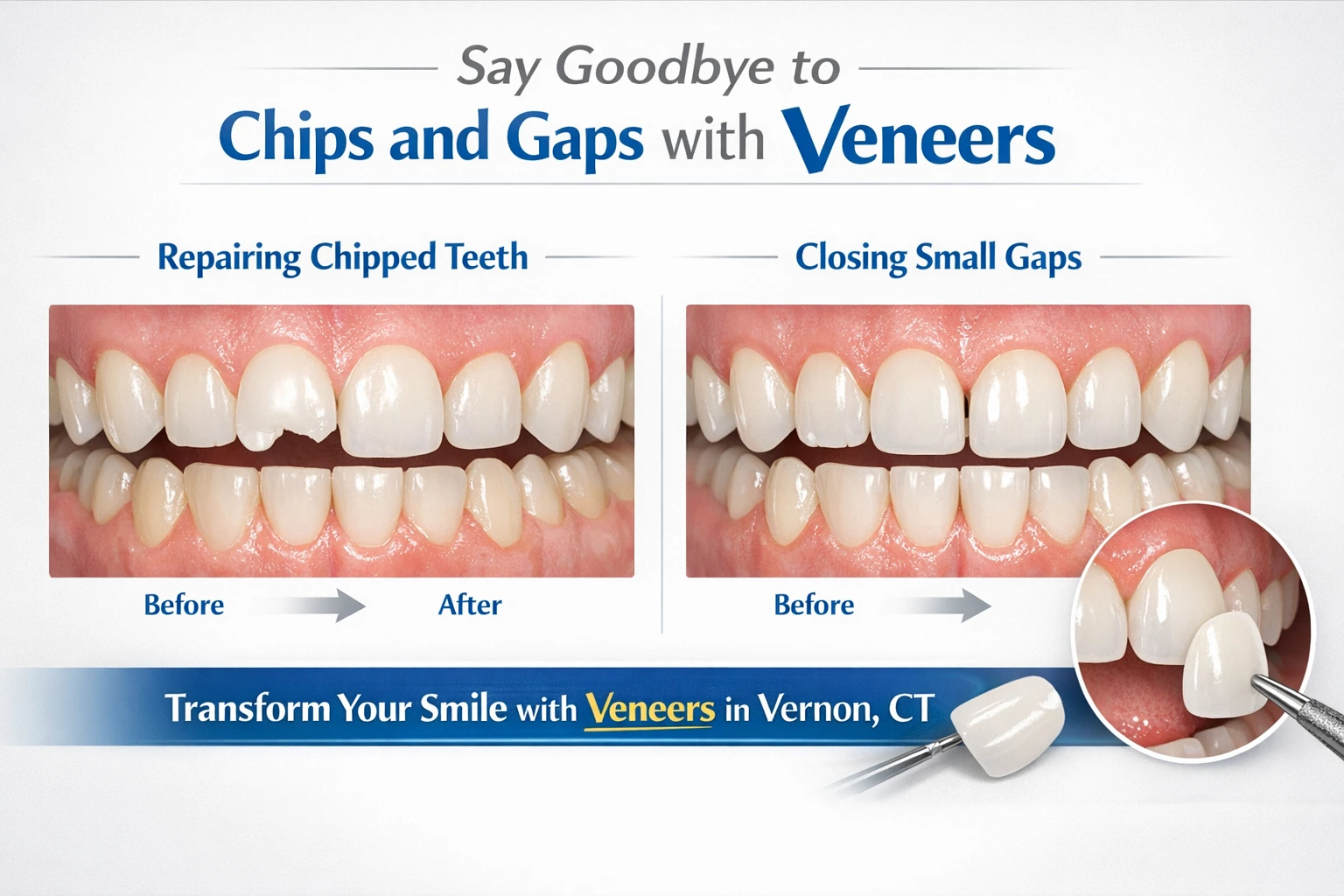
How Veneers Address Structural Imperfections Like Chips And Small Gaps
January 2, 2026
How Do Nutritional Deficiencies Show Up in Your Mouth?
December 10, 2025
Whitening for Seniors: Safe Ways to Restore Youthful Brightness
December 3, 2025