

March 20, 2026
Laser Gum Therapy
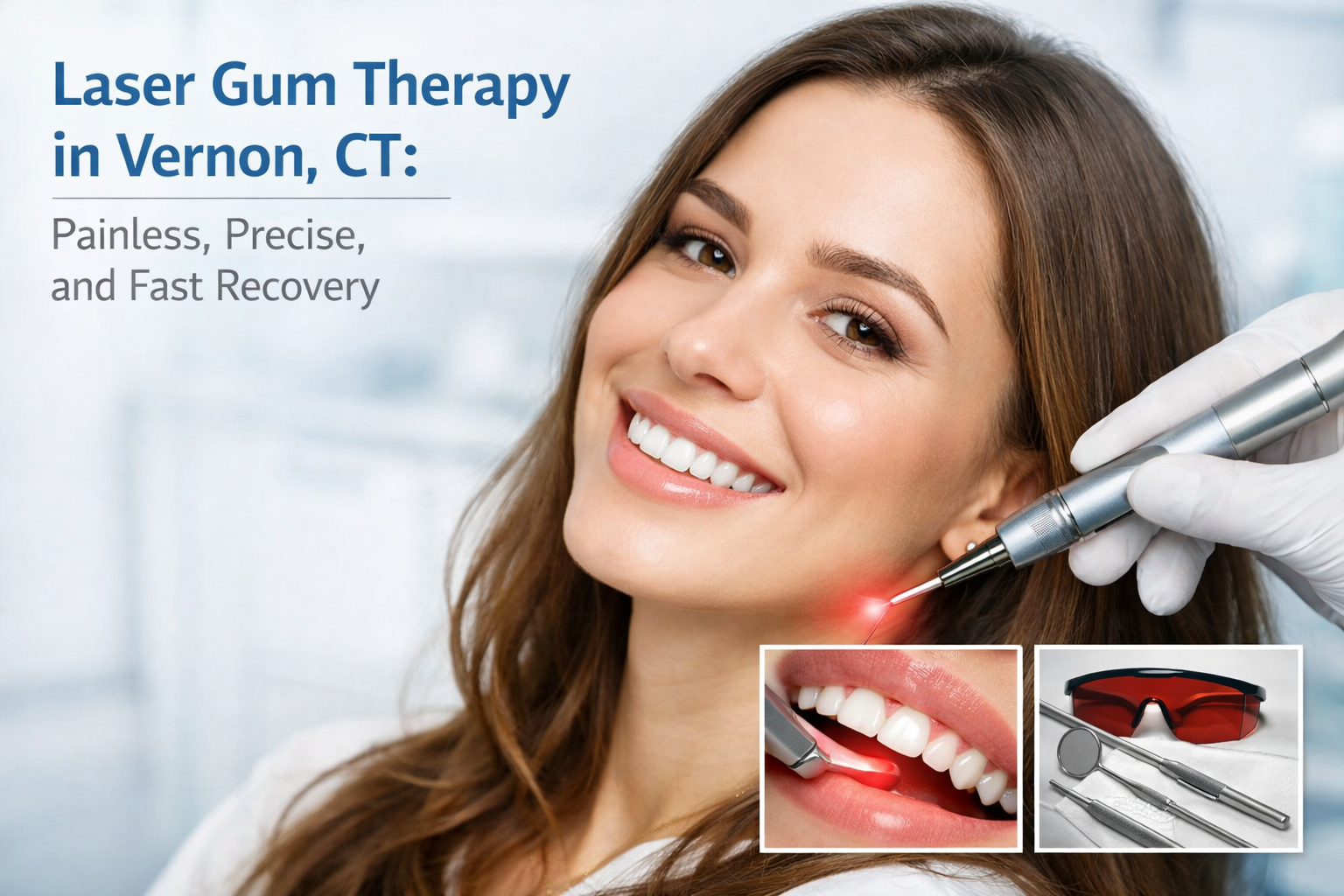
Gum health is important for your overall well-being. If traditional gum health treatments aren’t giving you the relief you need, or if they cause frequent discomfort, laser therapy offers better results with less discomfort. Now, revolutionary laser gum therapy offers a considerably less invasive treatment for gum disorders. Today, thanks to advances in dental technology, patients in Vernon, CT, need not undergo prolonged recovery times or pain after treatment.
This procedure is a great option for patients interested in restoring their gum health. It also provides an innovative new approach to managing and treating the issues that can arise in the gums. Whether you’re dealing with gum disease, toothbrush abrasion, or receding gums, this treatment is designed to restore your smile to good health with minimal pain and a quick recovery.
What Is Laser Gum Therapy?
Laser gum therapy is a dental procedure that uses an extremely focused light beam to treat many gum conditions. Unlike traditional surgery, which involves cutting the gums and stitching them, laser treatment in Vernon treats the tissue affected by gingivitis without scalpel-based excisions. This process involves focusing energy to either remove or sculpt tissue, which encourages quick recovery and reduced pain.
This technology enables periodontists or dentists to perform delicate procedures with pinpoint accuracy, preserving healthy gum tissue. This is why, for many patients who do not want the pain and extended recovery associated with traditional gum surgery, laser treatment has become the preferred option.
What Does Laser Treatment Heal?
Laser treatment can be a fitting answer to different gum-related issues, like:
- Treatment of gum disease (gingivitis or periodontitis).
- Gum reshaping for cosmetic improvements.
- Gum infections or abscesses treatment.
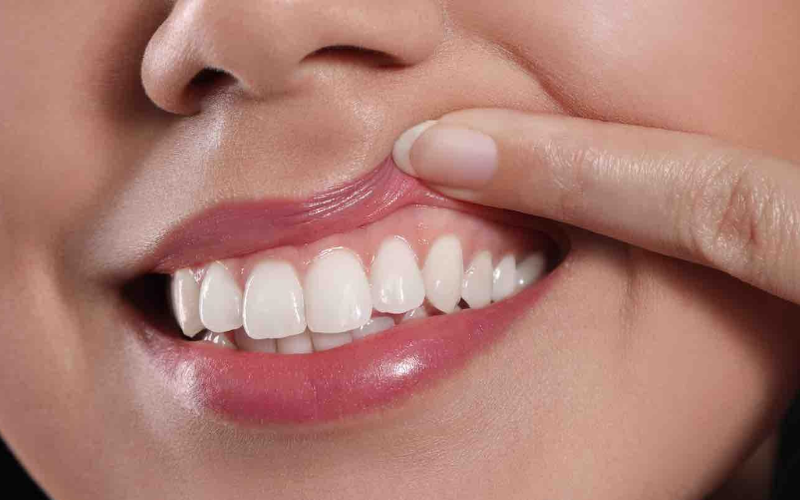
- Relief from gum recession.
Why Choose Laser Gum Therapy?
Compared with traditional treatments, laser gum therapy offers several advantages, including greater precision, less discomfort, and faster healing. This makes it the ideal treatment for anyone who is looking for easier, more effective, and more comfortable gum hygiene.
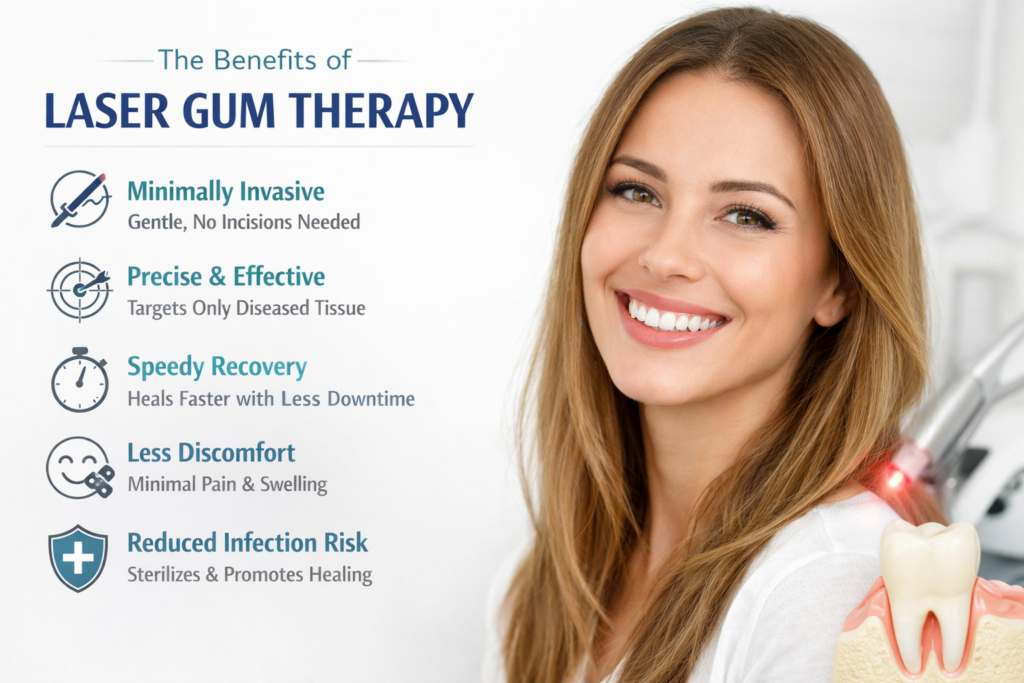
- Minimally Invasive: Compared with traditional gum treatment, which often requires incisions and is painful, laser treatment for gum disease is less invasive. Unlike traditional methods, laser therapy is a minimally invasive option. Endothelial cells are targeted while causing minimal injury to surrounding tissue. This results in a more comfortable experience with a much shorter recovery time.
- Pain-Sparing and Effective: The high precision of lasers allows your dentist or periodontist to target problem areas while avoiding healthy tissue. By using this approach, only the amount of gum tissue required is removed or treated, yielding optimal outcomes.
- Speedy Recovery: Laser treatment is minimally invasive, meaning patients heal significantly faster than they would after traditional gum surgery. The body recovers faster, minimizing pain and the requirement for aftercare.
- Less Discomfort: Many patients report less pain during and after laser periodontal treatments. The laser also seals blood vessels and nerve endings as it cuts, limiting bleeding and swelling that often accompany traditional methods.
- Reduced Risk of Infection: The laser sterilizes as it works, greatly reducing the risk of infection over traditional gum surgeries. Because the laser is focused, it also helps maintain gum health.
The Laser Treatment Process
The process of laser treatment for gums starts with a consultation and examination to determine the cause of the gum problem and whether you need laser osseous surgery. The procedure can commence once the plan has been determined. Let’s take a brief look at the treatment process:
- Initial Consultation & Evaluation: On your first visit, the dentist or periodontist will assess your gum health and create a personalized treatment plan. This will include a discussion of which type of laser treatment is best for you.
- Before the Procedure: The target area will be numbed with a local anesthetic so you do not feel anything. Depending on the procedure, a different type of laser may be used to address specific issues, such as reshaping your gums or removing tissue or infection.
- Treat: Once the area is prepped, the laser removes unhealthy tissue, reshapes your gums, or cleans infected areas. By doing this, the laser only treats the problem areas while leaving the surrounding tissue unharmed.
- Recovery: There is usually very little downtime for patients after the procedure. Compared to regular surgeries, there is much less bleeding, swelling, and pain. Most patients can resume their regular activities soon after the procedure.
Fast Recovery and Aftercare
Laser gum therapy enables quick healing, which is one of the main benefits. As laser treatment is minimally invasive, healing occurs faster and with less discomfort than conventional gum surgery. Here’s what you can do to learn how to get the best outcome after treatment:
- Mild Discomfort: The majority of patients feel relatively mild discomfort that can be controlled with over-the-counter pain medications.
- No Stitches Needed: Since laser therapy requires no stitches, your recovery time will be shorter and the risk of complications lower.
- Take a Break from Certain Foods: Avoid hot, spicy, or hard foods that may resettle in the area treated for the first few days.
- Practice Good Oral Hygiene: Maintain cleanliness in your mouth, but be cautious around the work so it does not become a source of irritation. Follow your dentist’s instructions carefully.
- Follow-Up Visit: It is important to attend any follow-up appointments to monitor your healing progress and answer any questions you may have.
By keeping these recommendations in mind, you will promote healing and enjoy the benefits of your laser gum therapy treatment sooner.
Laser Treatment To Restore Your Gum Health
Laser gum therapy is an ideal option for patients seeking a quicker, more comfortable alternative to standard gum treatments. By opting for this advanced procedure, you are choosing a precise, minimally invasive treatment that allows you to recover faster and with less pain, and reduces the risk of infection.
At Dr. Jay Family Dental, our team is ready to help you get the healthy, beautiful smile you deserve! If you are ready to feel the freedom of laser gum therapy, contact us today to schedule an appointment. We can help you take the first step toward healthier gums!
Questions People Ask About Laser Dentistry
How long does it take to recover from laser gum treatment?
Recovery from laser gum therapy is typically faster than traditional gum surgery. Most patients can return to normal activities within a day or two, with minimal discomfort and no stitches required.
Is laser treatment in Vernon suitable for gum disease?
Yes, laser treatment is highly effective for treating gum disease, including gingivitis and periodontitis. It targets infected tissue, reduces inflammation, and promotes healing.
Does laser gum therapy cause pain?
Laser gum therapy is generally less painful than traditional surgery. Patients often report only mild discomfort, and the laser’s ability to seal nerve endings reduces post-procedure pain.
How does laser treatment help with gum recession?
Laser therapy can be used to treat gum recession by reshaping the gum line and stimulating tissue regeneration, which helps restore a more natural-looking smile.
Can laser therapy prevent future gum issues?
While laser therapy treats existing gum issues, maintaining good oral hygiene and regular dental check-ups are essential for preventing future gum problems.
How does laser therapy compare to traditional gum surgery?
Laser therapy is less invasive, with a faster recovery time and fewer complications than traditional gum surgery. It also minimizes pain, swelling, and the need for sutures.
Recent Posts
March 20, 2026
Laser Gum Therapy in Vernon, CT: Painless, Precise, and Fast Recovery
March 12, 2026
Best Teeth Cleaning & Gum Care Tips from a Vernon Dentist
February 27, 2026
Top 5 Reasons Vernon Residents Should Consider Early Airway Orthodontic Screening
February 24, 2026
How Orthodontic Treatment Can Improve Oral Health
February 20, 2026