

July 20, 2026
Dental Health
If you live near Ellington and want a better smile, veneers are worth considering. Many patients searching for porcelain vs. composite veneers — which lasts longer and costs less in Ellington — feel overwhelmed by the options. Both veneer types can transform your smile dramatically. But they differ in cost, durability, and the procedure involved. Understanding those differences helps you choose wisely.
Cosmetic Dentistry has advanced significantly over the past decade. Veneers are now one of the most requested treatments for chipped, stained, or misshapen teeth. At Dr. Jay Family Dental in Vernon, CT, Dr. Krithika Jayaprakash helps patients from Ellington and surrounding communities find the right fit for their smile and lifestyle.
What Are Porcelain and Composite Veneers?
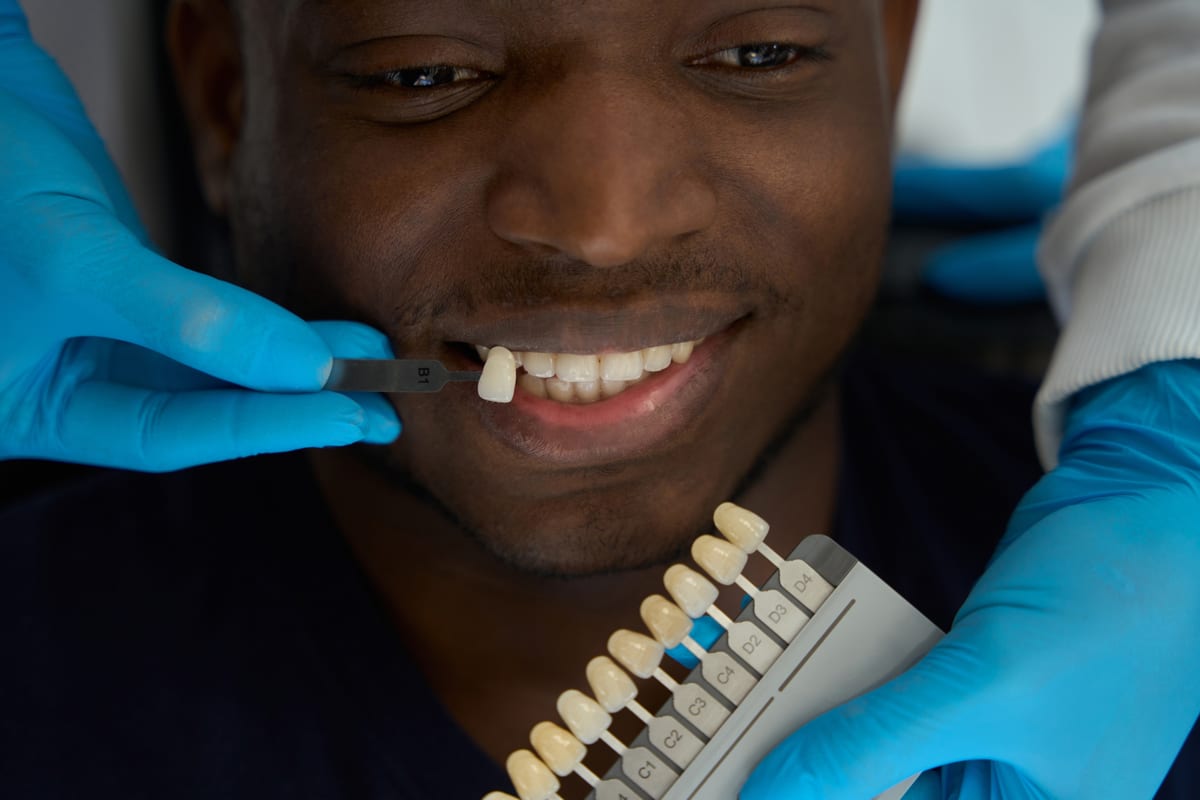
Veneers are thin shells bonded to the front surface of teeth. They improve shape, color, and proportion with minimal tooth removal. Both porcelain and composite resin accomplish this goal. However, the materials and processes behind each are quite different.
Porcelain veneers are custom-crafted in a dental laboratory. They require at least two appointments to complete. Your dentist removes a thin layer of enamel, takes impressions, and places temporary veneers while the lab works. At your second visit, the permanent veneers are bonded precisely to each tooth.
Composite resin veneers are applied directly in the dental chair. Your dentist sculpts the resin onto the tooth in a single visit. No lab work is required. This makes composite veneers faster and more accessible for many Ellington patients.
Comparing Aesthetics: Which Looks More Natural?
Porcelain veneers closely mimic the translucency of natural tooth enamel. Light reflects off porcelain the same way it does off real teeth. This makes porcelain the preferred choice for high-visibility smile makeovers. Dentists and patients alike consistently rate porcelain as the more lifelike option.
Composite veneers have improved greatly in recent years. Skilled dentists can achieve beautiful results with modern composite materials. However, composite lacks the same depth and translucency as porcelain. Under bright or natural light, the difference can sometimes be noticeable.
Porcelain also resists staining far better than composite. Coffee, tea, and red wine can discolor composite resin over time. Porcelain stays brighter for much longer with standard care. For patients who prioritize appearance above all else, porcelain typically wins this category.
Porcelain vs. Composite Veneers: Which Lasts Longer in Ellington?
Durability is one of the most important factors for Ellington patients weighing their options. Porcelain veneers typically last between 10 and 20 years with proper care. Composite veneers usually last 5 to 7 years before needing replacement or repair. That lifespan gap matters when planning long-term dental investment.
Here is a quick breakdown of how these two materials compare on durability:
- Porcelain veneers: 10–20 year lifespan, highly stain-resistant, chip-resistant with normal use
- Composite veneers: 5–7 year lifespan, more prone to staining, can chip more easily
- Repairability: Composite can often be repaired chairside; porcelain usually requires full replacement
- Maintenance: Both require regular brushing, flossing, and dental checkups to maximize longevity
One advantage composite has is repairability. If a composite veneer chips, your dentist can often fix it in a single visit. A chipped porcelain veneer typically requires a completely new restoration. For active patients or those worried about accidental damage, this is worth considering.
Cost Comparison: Which Is More Affordable?
Cost is often the deciding factor for patients in Ellington comparing their veneer options. Composite veneers are significantly less expensive than porcelain per tooth. Composite typically ranges from $250 to $1,500 per tooth depending on the provider and complexity. Porcelain veneers generally range from $900 to $2,500 per tooth.
However, the long-term picture changes that math considerably. Composite veneers may need replacement every 5 to 7 years. Porcelain veneers can last twice as long or more. Over a 15-year period, porcelain may actually cost less when you factor in replacements.
Here are the key cost-related factors to weigh before deciding:
- Number of teeth being treated affects total cost significantly
- Composite has a lower upfront investment per tooth
- Porcelain involves lab fees that add to the initial price
- Composite replacements over time can exceed the one-time porcelain cost
- Touch-up appointments for composite add additional expense over the years
Dr. Jayaprakash takes time to walk patients through their options clearly. She helps Ellington residents understand what each path will look and feel like over time. Making an informed choice now prevents surprises down the road.
Which Veneer Type Is Right for You?
The best veneer choice depends on your personal goals and circumstances. Patients seeking the most natural aesthetics and long-lasting results often prefer porcelain. Patients wanting a quicker, more budget-friendly fix tend to prefer composite. Neither option is universally better — they simply serve different needs.
If your teeth are mildly discolored or slightly irregular, composite may be an excellent starting point. If you want a complete smile transformation with lasting results, porcelain is typically the stronger investment. Some patients even begin with composite and later upgrade to porcelain as their goals evolve.
It is also worth exploring whether Orthodontics might address alignment concerns before veneers are placed. Correcting spacing or bite issues first can improve veneer outcomes significantly. Dr. Jayaprakash evaluates each patient’s full picture before recommending any cosmetic treatment. This comprehensive approach ensures the best possible results for every smile.
What to Expect During Your Veneer Consultation at Dr. Jay Family Dental
Your veneer journey begins with a thorough consultation. Dr. Jayaprakash will examine your teeth, review your goals, and discuss your budget openly. She will also assess your bite, gum health, and tooth structure. This ensures veneers are the right solution before any treatment begins.
For porcelain veneers, expect the following general process:
- Consultation and smile design planning
- Tooth preparation and enamel removal (minimal)
- Impressions sent to a dental laboratory
- Temporary veneers placed while lab creates permanent ones
- Bonding appointment to place and adjust final veneers
Composite veneers follow a simpler path. Your dentist applies and sculpts resin in a single visit. Polishing and shaping occur chairside before you leave. Many Ellington patients appreciate the convenience this offers.
Making Your Decision with Confidence
Choosing between porcelain and composite veneers is a personal decision. Both options can create beautiful, confidence-boosting smiles. What matters most is understanding the trade-offs in aesthetics, durability, and cost before you commit. Dr. Krithika Jayaprakash and the team at Dr. Jay Family Dental are here to guide Ellington residents through that decision with honesty and expertise. Book Now to schedule your appointment with our team.
Frequently Asked Questions
How do I know if I need porcelain or composite veneers?
The best way to determine which veneer type suits you is through a professional consultation. Dr. Jayaprakash will evaluate your teeth, discuss your aesthetic goals, and help you weigh cost against longevity. Patients with severe discoloration or multiple cosmetic concerns often benefit most from porcelain. Those with minor imperfections and a tighter budget may find composite a great starting point.
Can composite veneers be upgraded to porcelain later?
Yes, many patients start with composite veneers and later transition to porcelain. Since composite veneers require little to no enamel removal, upgrading is generally straightforward. Your dentist will assess the condition of your underlying teeth before recommending any transition. This flexibility makes composite a low-commitment first step for many Ellington patients.
Do veneers require special care or maintenance?
Veneers do not require dramatically different care from natural teeth. Brushing twice daily, flossing, and visiting your dentist regularly are the key habits. You should avoid biting hard objects like ice or pen caps, as this can damage both types of veneers. Non-abrasive toothpaste is also recommended to preserve the veneer surface over time.
Are veneers reversible?
Porcelain veneers are considered irreversible because a thin layer of enamel is removed during preparation. That enamel cannot grow back, meaning you will always need veneers on those teeth. Composite veneers are more reversible since they require little or no enamel removal in most cases. Discussing long-term commitment with Dr. Jayaprakash before proceeding is always recommended.
How long does the veneer process take from start to finish?
Composite veneers can typically be completed in a single dental visit lasting one to two hours. Porcelain veneers require at least two appointments spread across two to three weeks while the lab crafts your restorations. Most patients find the process straightforward and manageable. Dr. Jay Family Dental works efficiently to minimize the number of visits needed for Ellington patients.
Recent Posts

September 28, 2026
Why Professional Whitening Beats Store-Bought Kits (And When It Doesn’t)
September 21, 2026
Veneers Won’t Fix Everything: What They Actually Solve
September 14, 2026
Your First Orthodontic Appointment: What to Expect and How to Prepare

September 7, 2026
Your First Cosmetic Dental Consultation: What to Expect
August 24, 2026