


June 29, 2026
Dental Health
If you have tried whitening strips, trays, or even professional treatments and still see little change, you are not alone. Many Tolland residents struggle to understand why their teeth won’t whiten and what actually works instead. The answer almost always comes down to one thing: the type of stain you have. Not every discoloration responds to bleaching agents the same way. Understanding the difference can save you time, money, and frustration.
At Dr. Jay Family Dental in Vernon, CT, Dr. Krithika Jayaprakash helps patients throughout Tolland and the surrounding area find the right solution for their specific smile concerns. This article breaks down the science behind tooth staining so you can make a more informed decision about your care.
Why Your Teeth Won’t Whiten: Intrinsic vs. Extrinsic Stains in Tolland
There are two main categories of tooth stains. Each one responds very differently to whitening treatments. Knowing which type you have is the first step toward real results.
Extrinsic stains sit on the outer surface of your enamel. They are caused by things like coffee, tea, red wine, tobacco, and certain foods. These stains respond well to whitening products because bleaching agents can reach the discolored molecules on the enamel surface.
Intrinsic stains live inside the tooth itself — within the dentin layer beneath the enamel. These form during tooth development, from certain medications, trauma, or aging. Bleaching agents cannot effectively penetrate deep enough to change intrinsic discoloration. This is why so many people feel frustrated when whitening simply does not work for them.
Common Causes of Stains That Do Not Respond to Whitening
Several specific factors lead to staining that whitening treatments cannot fix. Recognizing these causes helps you have a more productive conversation with your dentist.
- Tetracycline antibiotics: Taken during childhood while teeth were still forming, these antibiotics can cause deep gray or brown banding inside the teeth.
- Fluorosis: Exposure to too much fluoride during early development can leave white spots or brown streaks that bleaching may make more noticeable.
- Tooth trauma: An injury can cause the nerve to die, turning the entire tooth a dark gray or brown shade from the inside out.
- Aging: As enamel thins over time, the naturally yellow dentin underneath becomes more visible — a change whitening cannot reverse.
- Genetics: Some people simply have naturally darker or more yellow dentin, which no amount of bleaching will significantly change.
If any of these situations apply to you, do not give up hope. There are highly effective alternatives available right here in Tolland and Vernon.
What Actually Works for Intrinsic Stains
When whitening treatments fall short, Cosmetic Dentistry offers several powerful options. These treatments work by covering or replacing the discolored tooth structure rather than trying to bleach it.
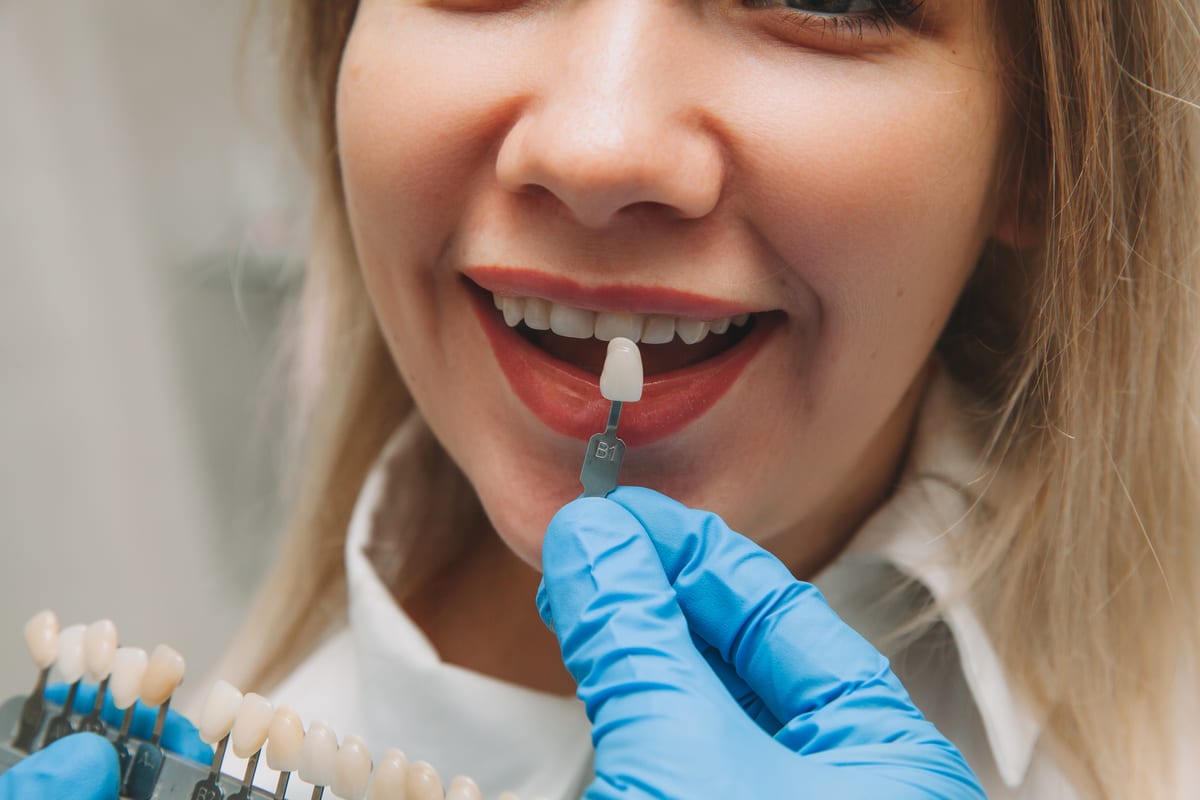
Dental veneers are one of the most effective solutions for intrinsic staining. Veneers are thin shells of porcelain bonded to the front surface of the tooth. They completely mask discoloration and create a natural, bright appearance. Many patients with tetracycline staining or fluorosis see dramatic improvements with veneers.
Dental bonding is another option. A tooth-colored resin is applied to the surface and shaped to cover stains. It is less expensive than veneers and works well for smaller areas of discoloration.
Dental crowns may be recommended when a tooth is severely darkened due to trauma or decay. A crown covers the entire visible portion of the tooth. This approach also protects a structurally compromised tooth at the same time.
- Veneers provide the most dramatic and long-lasting aesthetic change
- Bonding is a faster and more affordable option for minor staining
- Crowns address both cosmetic and structural concerns simultaneously
- All three options are customized to blend naturally with your smile
When Whitening Does Work — And How to Get the Most from It
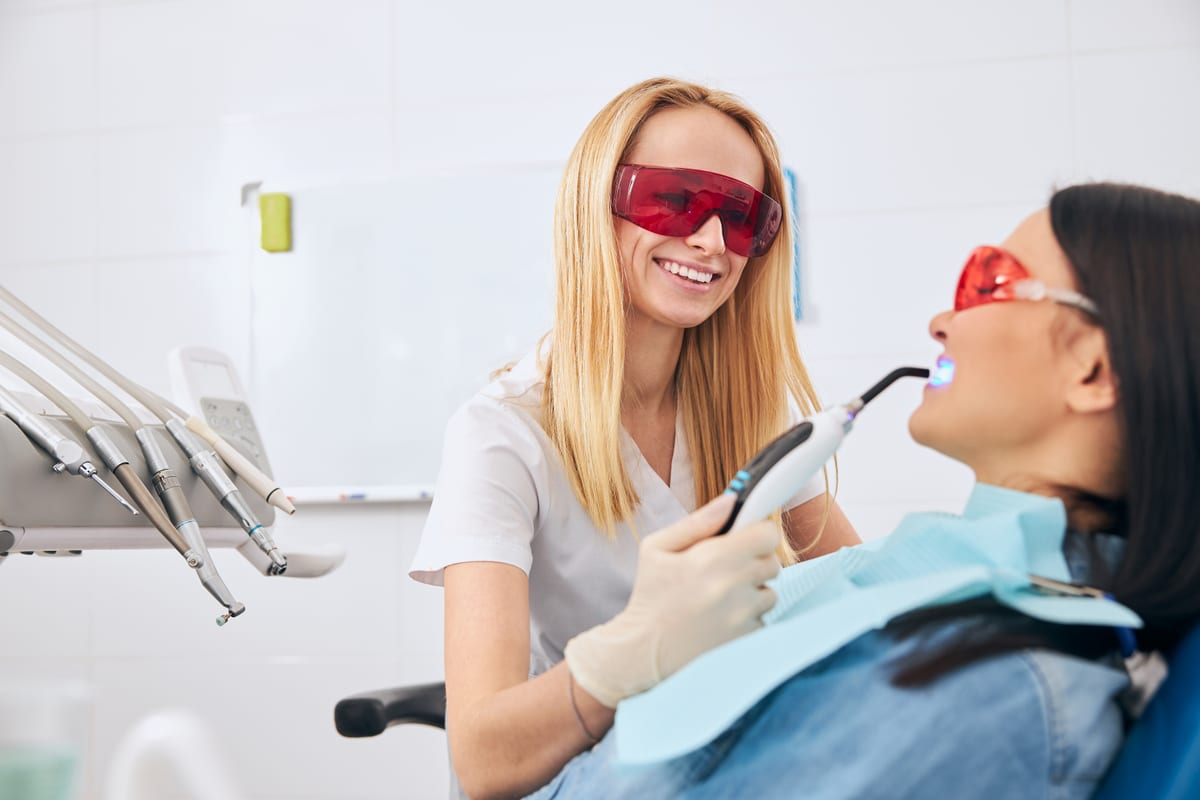
For extrinsic stains, professional whitening is still the gold standard. Over-the-counter strips and drugstore trays have limitations. Professional treatments use higher-concentration agents applied safely by a trained dental team.
Professional in-office whitening can lighten teeth several shades in a single appointment. Custom take-home trays made by your dentist fit precisely, delivering more even and effective results than generic strips. When you use the right product for the right type of stain, whitening absolutely works.
It is also important to maintain results. Avoiding staining foods and drinks, rinsing after meals, and using a whitening toothpaste can extend the life of your treatment. Your dentist can guide you on touch-up timing based on your lifestyle and habits.
How Orthodontics Can Play a Role in Your Overall Smile
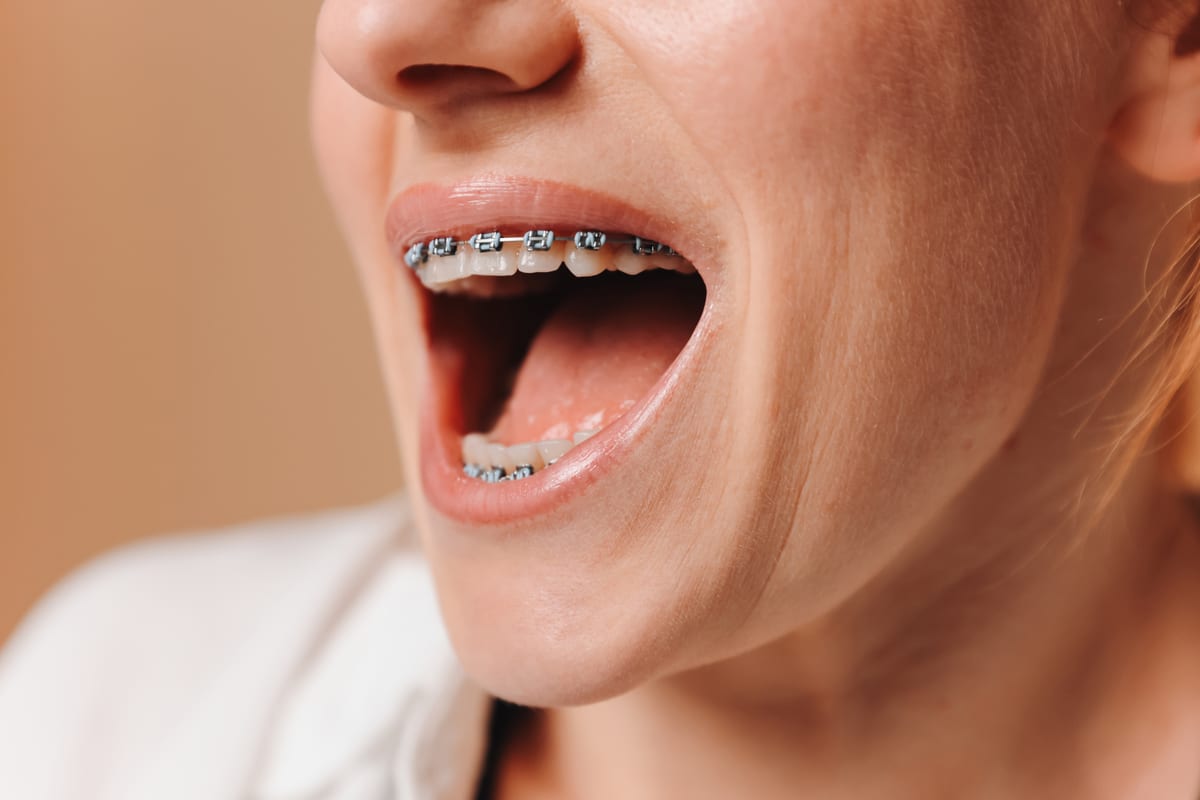
Sometimes what looks like a staining problem is actually a combination of discoloration and misalignment. Crooked or overlapping teeth can trap staining agents and make cleaning more difficult. Straightening your teeth first can make whitening more effective and results more even.
Orthodontic treatment also improves how light reflects off the surfaces of your teeth. A properly aligned smile often looks brighter and healthier even before any whitening treatment. Dr. Jayaprakash can help you determine whether alignment is contributing to the appearance of your smile.
In some cases, patients pursue orthodontics first and then address cosmetic concerns like staining or chips afterward. This sequencing often produces the most comprehensive and satisfying results.
Finding the Right Solution for Your Smile in Tolland
Every smile is different. What works for a neighbor or a friend may not be the right approach for you. A thorough evaluation by Dr. Krithika Jayaprakash at Dr. Jay Family Dental will help identify the exact type of staining you have and match you with the most effective treatment.
Patients in Tolland do not have to keep wondering why their teeth won’t whiten or settle for treatments that simply do not address the root cause. There are reliable, proven options available — from professional whitening for surface stains to veneers and bonding for deeper discoloration. The key is getting the right diagnosis first.
Your smile deserves more than a one-size-fits-all solution. Book Now to schedule your appointment with our team.
Frequently Asked Questions
Why don’t whitening strips work on all stains?
Whitening strips contain peroxide-based agents that target discolored molecules on the enamel surface. They work well for extrinsic stains caused by food and drink. However, they cannot reach intrinsic stains located inside the dentin layer of the tooth, which is why they often produce little to no result for those types of discoloration.
Can veneers fix tetracycline staining?
Yes, dental veneers are one of the most effective solutions for tetracycline-related staining. Because the staining is inside the tooth and cannot be bleached away, veneers work by covering the front surface of the tooth entirely. Porcelain veneers are durable, stain-resistant, and look very natural when placed by an experienced cosmetic dentist.
Is professional whitening worth it compared to store-bought kits?
Professional whitening uses higher-concentration agents applied in a controlled, safe environment. Custom trays made by your dentist provide better coverage and more even results than generic strips. For extrinsic staining, professional whitening typically produces faster and more noticeable results than over-the-counter products.
How do I know if my staining is intrinsic or extrinsic?
A dentist can usually determine this through a visual exam and a review of your dental and medical history. Extrinsic stains tend to appear on the outer surface and may look yellow or brown near the gumline. Intrinsic stains often appear more uniform, grayish, or involve banding patterns. An evaluation with Dr. Jayaprakash at Dr. Jay Family Dental is the most reliable way to find out.
Are there any whitening treatments that help with fluorosis?
Standard whitening treatments often do not help with fluorosis and can sometimes make white spots more visible by brightening the surrounding enamel. Options like microabrasion, composite bonding, or veneers tend to produce much better results for fluorosis-related discoloration. Your dentist will recommend the most appropriate approach based on the severity of the condition.
Recent Posts
September 28, 2026
Why Professional Whitening Beats Store-Bought Kits (And When It Doesn’t)
September 21, 2026
Veneers Won’t Fix Everything: What They Actually Solve
September 14, 2026
Your First Orthodontic Appointment: What to Expect and How to Prepare

September 7, 2026
Your First Cosmetic Dental Consultation: What to Expect
August 24, 2026