

February 24, 2026
Orthodontic Treatment
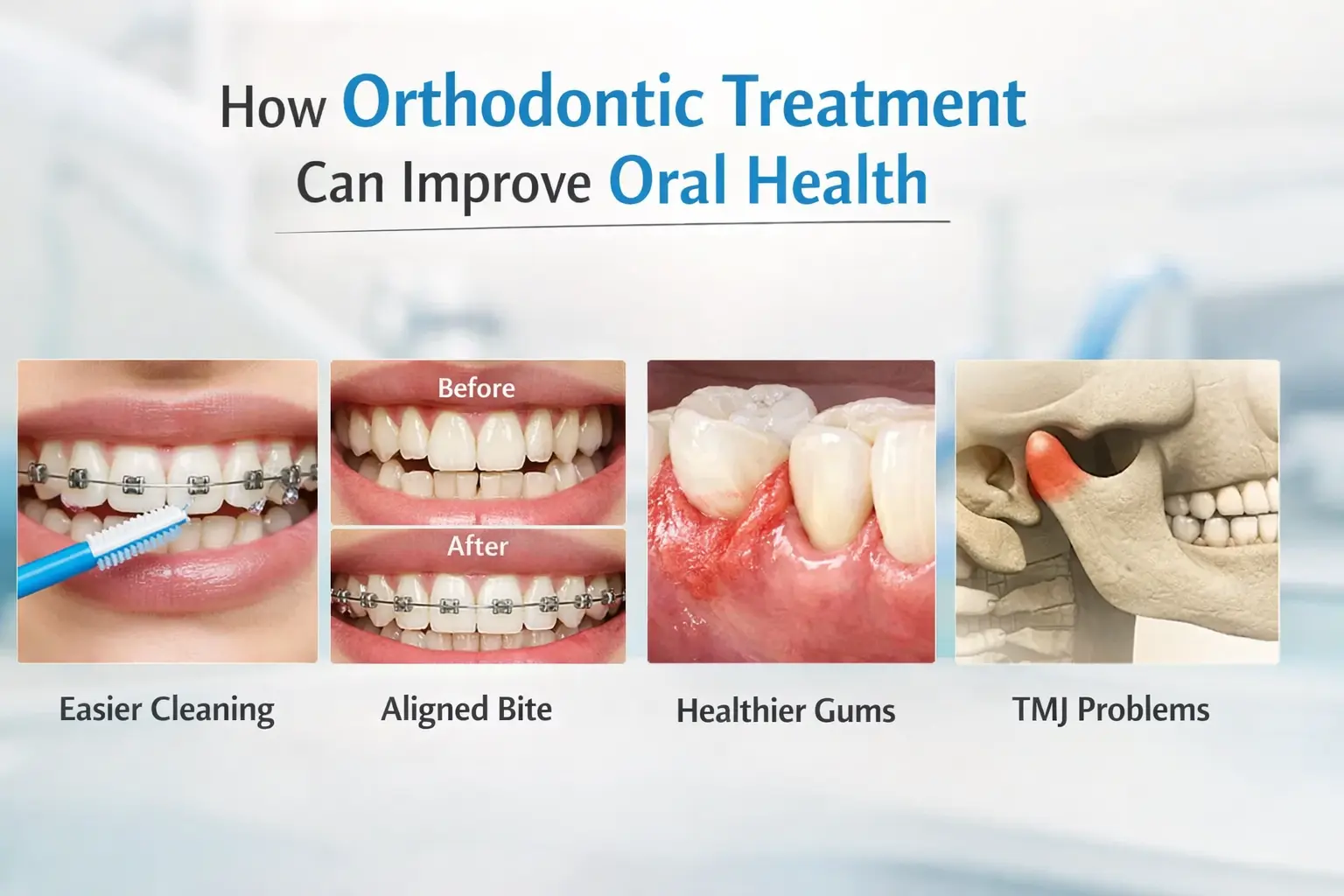
Most people who think about orthodontics think about appearance first – a straight smile, teeth that line up cleanly, the kind of result you notice in photos. That’s a fair and understandable reason to pursue treatment. But it turns out that straightening teeth has a much deeper impact than aesthetics. The position of your teeth affects how well you can clean them, how your bite distributes pressure, how your jaw functions, and even how your gum tissue holds up over time.
It’s one of the more significant ways that orthodontic care intersects with overall dental health. And it’s a reason why more adults, not just teenagers, are pursuing alignment treatment later in life.
This blog covers the genuine oral health benefits of orthodontic treatment, who tends to benefit most, and what the process typically looks like for patients in Vernon.
The Real Connection Between Tooth Alignment and Oral Health
Patients who pursue orthodontic treatment in Vernon often come in focused on how their smile looks. They leave with a cleaner mouth and a healthier bite. That’s not marketing language — it reflects what better alignment actually does mechanically and biologically.
Crooked, crowded, or misaligned teeth create overlapping surfaces and tight pockets where a toothbrush and floss simply can’t reach effectively. Plaque and food debris accumulate in those spaces. Over time, that buildup leads to two of the most preventable yet persistent problems in dentistry: tooth decay and gum disease. The American Association of Orthodontists notes that properly aligned teeth are significantly easier to clean, and cleaner teeth tend to stay healthier for longer.
This is why orthodontic treatment isn’t siloed into its own category separate from preventive dentistry. It’s genuinely part of the same continuum.
Ways Orthodontic Care Improves Your Dental Health
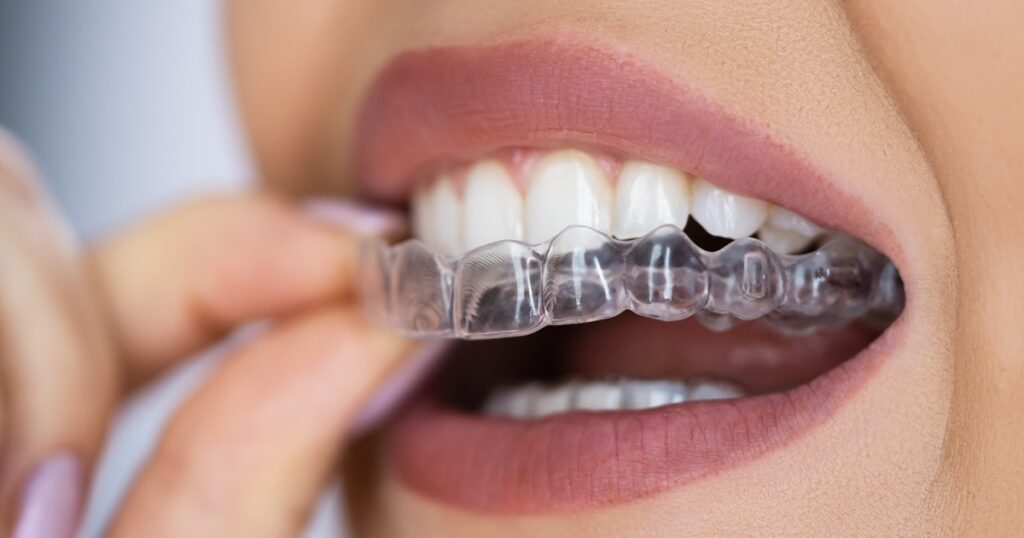
Lower Risk of Gum Disease
Periodontal disease is the leading cause of tooth loss in adults in the United States, according to the CDC. One of its main drivers is the chronic accumulation of plaque at and below the gumline, exactly the kind of buildup that crowded teeth make harder to prevent. Properly spaced teeth allow the gum tissue to fit snugly and uniformly around each tooth, reducing pockets where bacteria can settle and cause inflammation.
Patients who complete orthodontic treatment consistently find that their gums are healthier and that routine cleanings are more thorough because there’s less buildup for the hygienist to remove. That cumulative benefit matters a great deal over a lifetime of dental health.
Improved Bite and Reduced Jaw Strain
Malocclusion – the clinical term for a misaligned bite creates uneven force distribution every time you chew. Over years and decades, that asymmetrical pressure wears down certain teeth faster than others, contributes to enamel erosion, and can stress the temporomandibular joint (TMJ). Many patients dealing with unexplained jaw pain, frequent headaches, or chronic soreness around the jaw and temples discover that a bite issue is the underlying cause.
Correcting the bite through orthodontic treatment distributes chewing force more evenly across all teeth, reducing excessive wear on any single tooth and taking strain off the joint. Research published in the American Journal of Orthodontics and Dentofacial Orthopedics has demonstrated that patients who correct significant malocclusion report measurable reductions in jaw discomfort and headache frequency.
Teeth That Are Genuinely Easier to Keep Clean
This sounds simple, but its impact compounds over the years. Overlapping front teeth, crowded lower incisors, or teeth that are rotated slightly out of position all create zones where a standard toothbrush can’t reach, and floss can’t pass through cleanly. No amount of diligence in home care fully compensates for the physical limitation.
After alignment, those same spots become accessible. Brushing is more effective. Flossing between properly spaced teeth takes far less effort and clears more effectively. For families with kids just entering their cavity-prone years, that improvement in oral hygiene is genuinely meaningful.
Protection Against Abnormal Enamel Wear
Teeth that don’t fit together correctly often create friction where there shouldn’t be any. Certain teeth may come into contact at odd angles, grinding against each other during chewing or swallowing. Over time, this wears down enamel in specific spots, creating flat surfaces, thinning cusps, or micro-fractures. Once enamel is gone, it doesn’t regenerate. The body doesn’t produce new enamel after the teeth finish forming.
Correcting the bite and alignment protects the enamel you have by eliminating the irregular contact points that cause abnormal wear. That’s a preservation benefit that pays dividends well into middle age and beyond.
Who Benefits Most from Orthodontic Care?
Children and teenagers have traditionally been the primary patients for orthodontic treatment, and that remains true — the American Association of Orthodontists recommends an initial orthodontic evaluation by age seven, when enough permanent teeth have erupted to assess developing alignment issues. Early evaluation doesn’t always mean early treatment; in many cases, it simply means monitoring and intervening at the optimal window.
But adults are a growing share of orthodontic patients, and for good reason. The American Association of Orthodontists reports that adults now account for more than a quarter of all orthodontic patients in the U.S. Alignment issues don’t resolve on their own, and the oral health benefits of treatment — better gum health, easier cleaning, reduced wear — apply equally regardless of age. For adults in Vernon who have been thinking about treatment but assumed it was too late, it almost certainly isn’t.
What Treatment Looks Like at Dr. Jay Family Dental
Dr. Jay Family Dental serves Vernon and the surrounding communities of Tolland County with a family-centered approach to orthodontic care. Consultations start with a full assessment — including digital imaging to evaluate tooth position, jaw alignment, and bite — so that any treatment recommendation is based on a complete picture rather than surface-level observation.
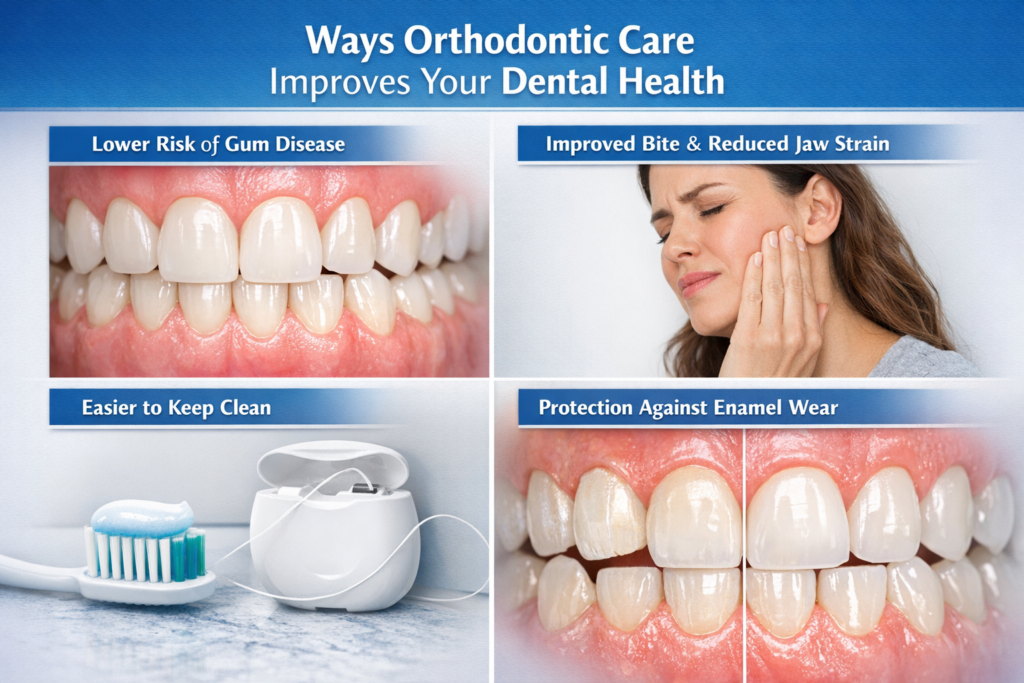
Treatment options vary by case. Traditional braces remain highly effective for complex alignment issues, particularly in younger patients still in active jaw development. Clear aligner systems offer an alternative that appeals to many adults and older teens who prefer a less visible option. Both approaches can achieve meaningful alignment improvements — the right choice depends on the specifics of your case, your lifestyle, and your goals.
Because Dr. Jay Family Dental provides both general and orthodontic care, your oral health is managed holistically throughout treatment. Any decay or gum concerns that arise during the treatment period are handled in the same practice — no referral bouncing, no gaps in communication between providers.
Orthodontic treatment addresses far more than how your teeth look. It changes how they function, how effectively you can clean them, and how well your bite holds up over decades of use.
Dr. Jay Family Dental is ready to walk you through your options — no pressure, just a thorough look at what treatment could do for your situation. Call us today or book an orthodontic consultation online.
People Also Ask
How do I keep my teeth clean during orthodontic treatment?
Cleaning around braces or aligners requires a bit more attention than regular brushing. For braces, an interdental brush (a small brush designed to thread between brackets and wires) helps clear debris from areas a standard toothbrush misses. A water flosser is particularly effective for flushing out food and plaque along the gumline and between teeth. For aligner wearers, remove the trays before eating and clean both the trays and your teeth before reinserting.
Can orthodontic treatment fix TMJ pain?
Orthodontic treatment can help if a bite misalignment is a contributing factor to TMJ discomfort — and in many cases, it is. However, TMJ disorders can have multiple causes, including muscle tension, arthritis, or injury, and bite correction alone may not resolve all symptoms. A thorough evaluation is needed to determine how much of the pain is bite-related versus other factors. Your dentist can help sort through this before recommending a treatment path.
What happens if I skip wearing my retainer after treatment?
Teeth have a natural tendency to shift back toward their pre-treatment positions — a phenomenon called relapse. Retainers prevent this by holding teeth in their corrected alignment while the surrounding bone and tissue stabilize. Skipping retainer wear, especially in the first year post-treatment, is one of the most common reasons people need retreatment later. Long-term retainer wear is generally recommended for life, though the frequency of wear typically decreases over time.
Does dental insurance cover orthodontic treatment?
Many dental insurance plans include an orthodontic benefit, though coverage varies considerably. Some plans cover treatment only for patients under 18; others extend coverage to adults. There’s often a lifetime maximum benefit that applies separately from your general dental maximum. It’s worth reviewing your specific plan details and asking the dental office to help clarify what’s covered before committing to a treatment plan.
Is clear aligner treatment as effective as traditional braces?
For mild to moderate alignment issues, clear aligners produce results comparable to traditional braces when worn as directed — typically 20 to 22 hours per day. For more complex cases involving significant bite correction, vertical tooth movement, or rotation of back teeth, traditional braces often provide more precise control. Your dentist will assess which approach is most suitable for your alignment needs.
Recent Posts

October 12, 2026
What Cosmetic Dentistry Can Actually Fix (And What It Can’t)
September 28, 2026
Why Professional Whitening Beats Store-Bought Kits (And When It Doesn’t)
September 21, 2026
Veneers Won’t Fix Everything: What They Actually Solve
September 14, 2026
Your First Orthodontic Appointment: What to Expect and How to Prepare
September 7, 2026